Hyper, hyper: When Lotec shook the supercar world
One man, one vision, and a one-off hypercar – all before the latter term even existed. Enter the Lotec Sirius, a Mercedes-powered masterpiece.
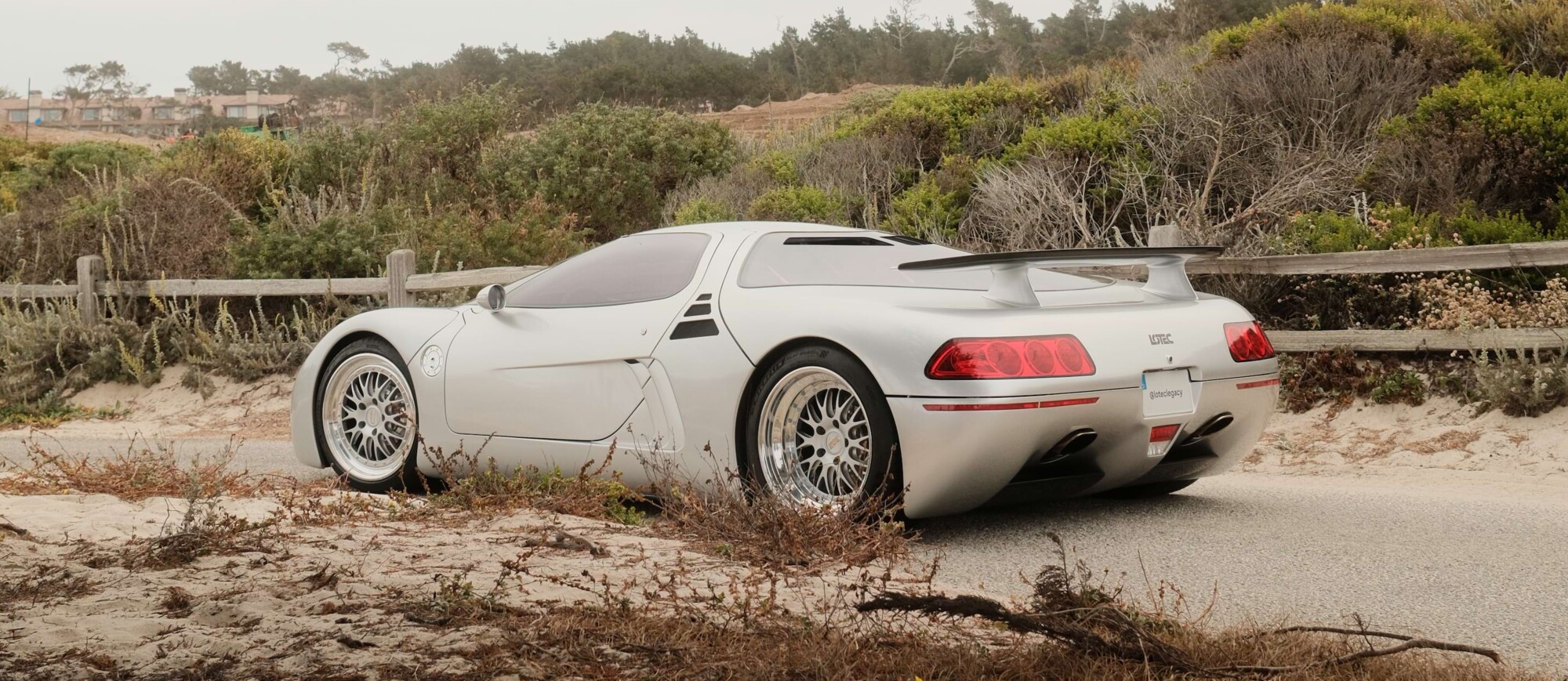
Sirius Business
Featured Car: Lotec Sirius
Location: Monterey, California
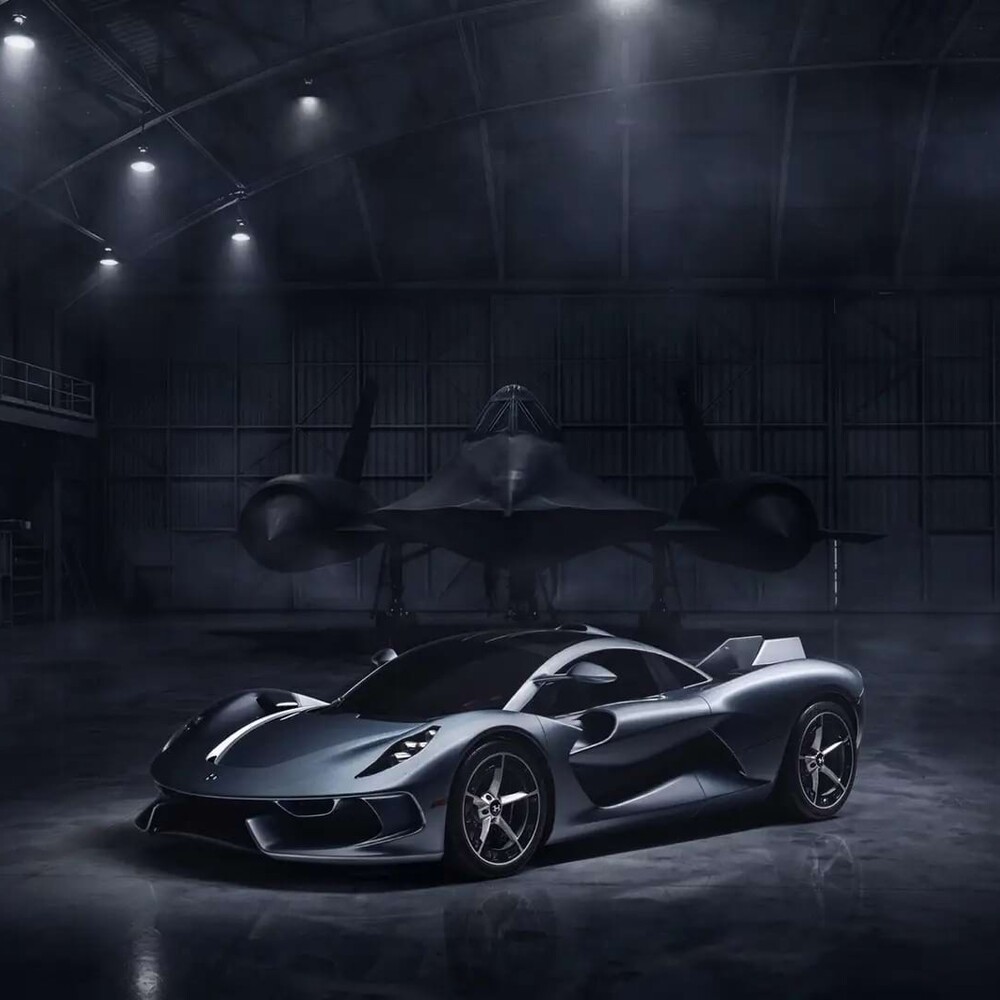
It probably doesn’t get any more German: A man named Kurt Lotterschmid from Kolbermoor decides to build a bespoke sports car with more than 1,000 hp to rival the McLaren F1 – and actually succeeds. While the Lotec Sirius didn’t go into series production and didn’t set any official records, it was the definitive statement of Lotterschmid, shaking up the so-called supercar manufacturers and basically creating a car segment we now know as "hypercars".
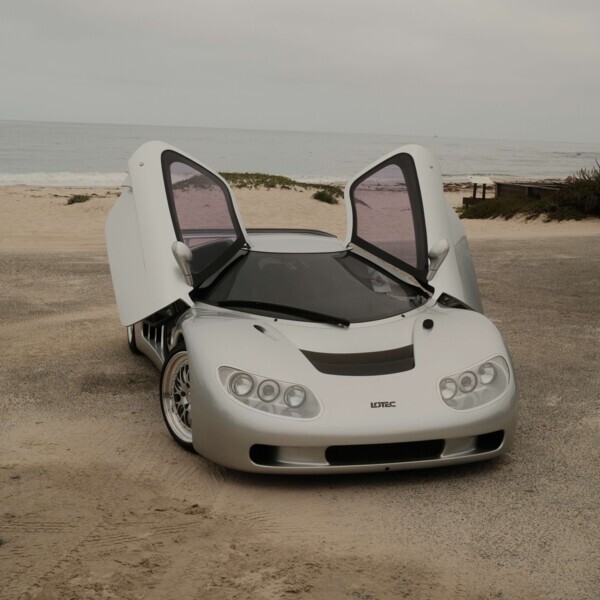
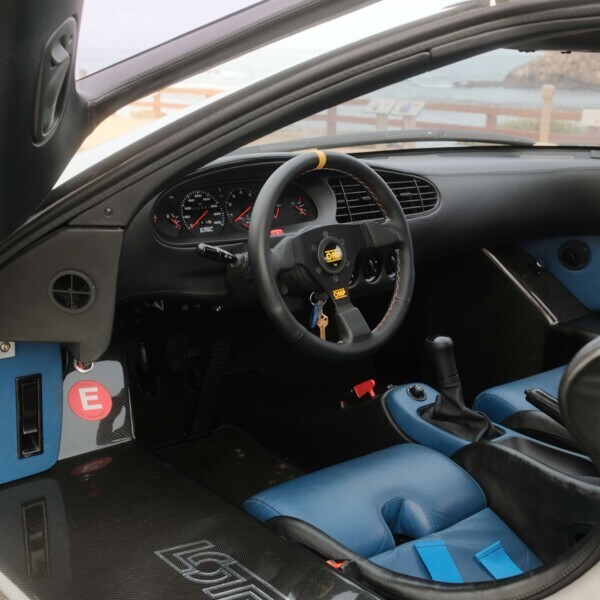
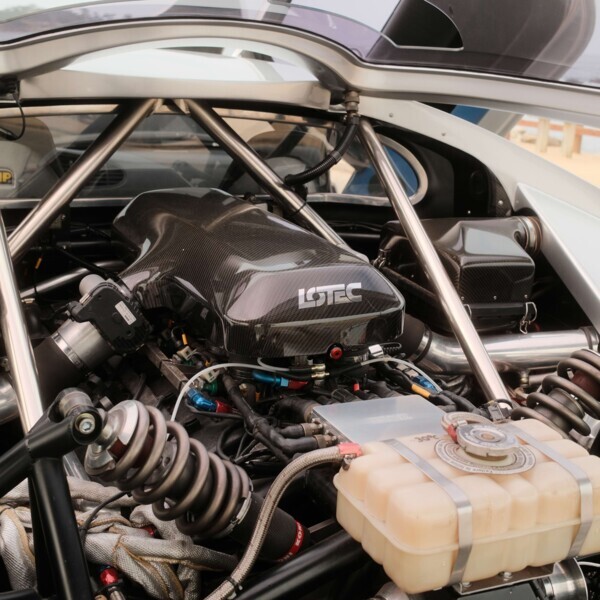
After decades of racing, tuning, and one-off prototypes, the Sirius was envisioned for a real production run: powered by a twin-turbocharged Mercedes-based V12 of 5,987 cc and managed by the Lotec TurboTronic system developed with LENZ Elektronik GmbH, it put out approximately 1,000 hp at 0.85 bar, rising to approximately 1,200 hp at maximum boost. The goal: to become the fastest road-legal car of its time. And so, conquer the car world.
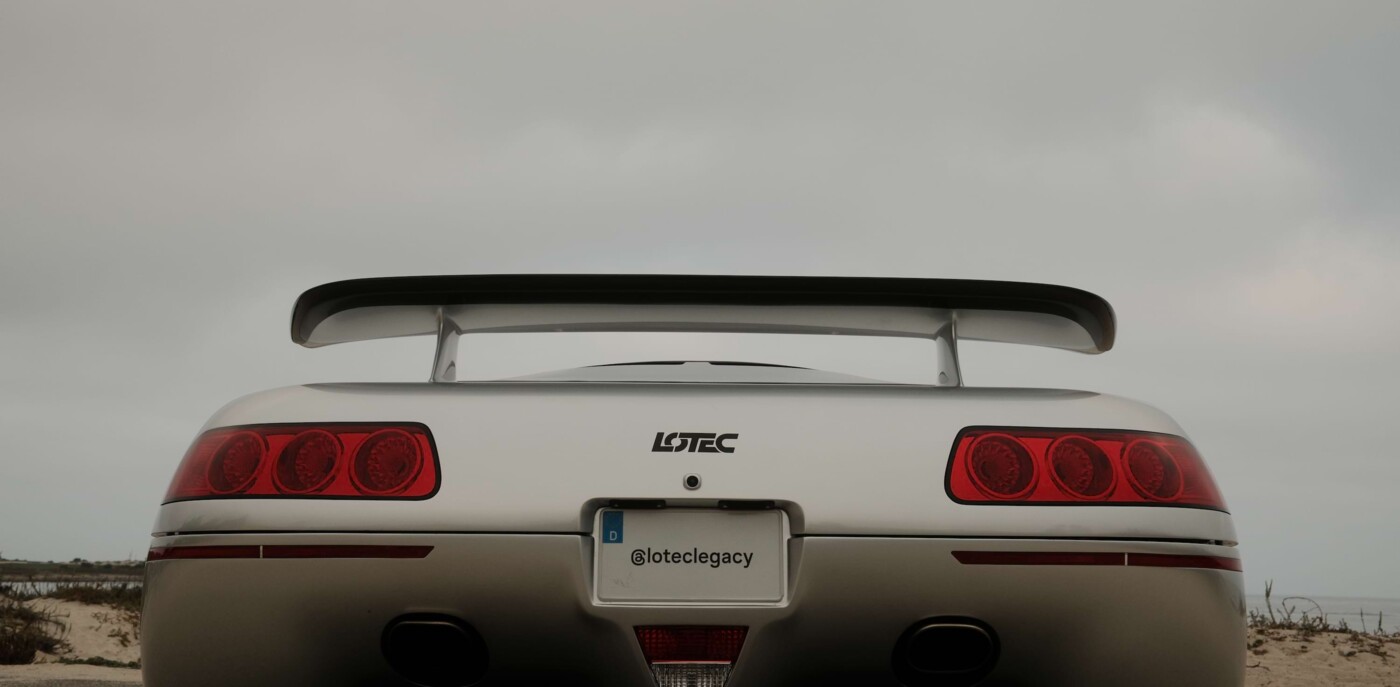
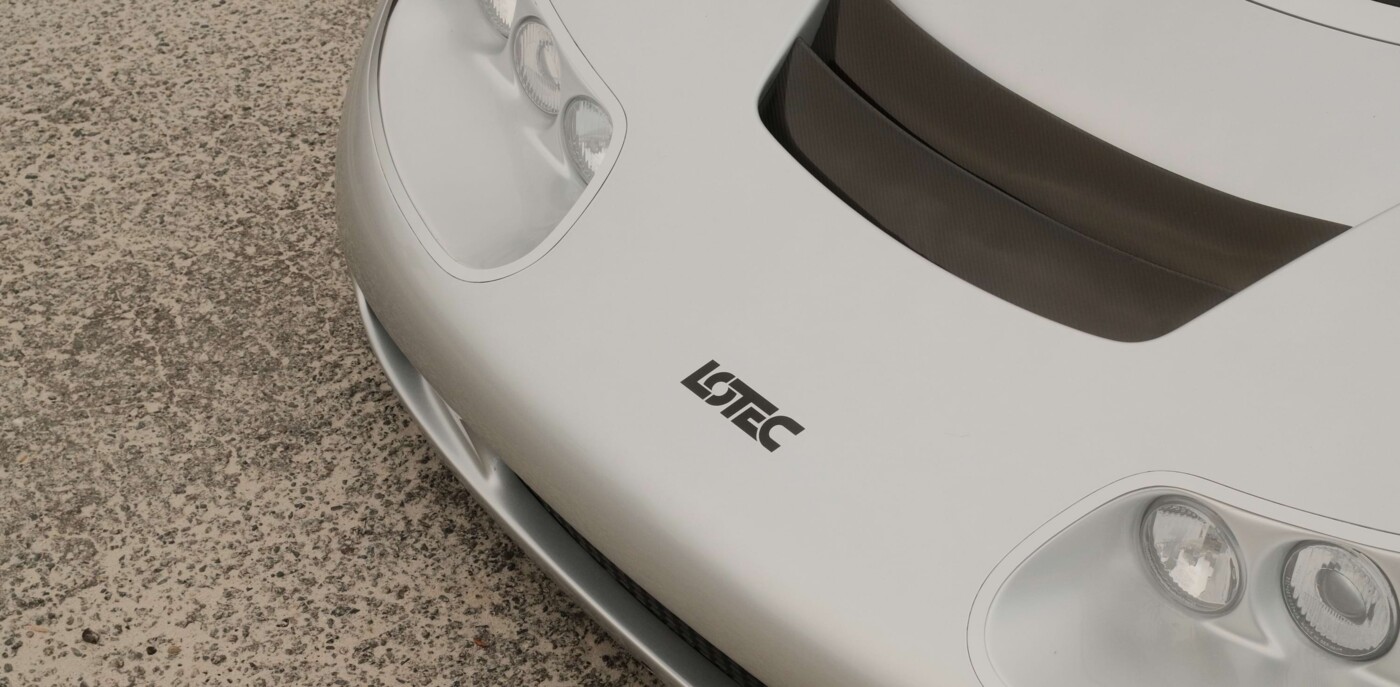
But the McLaren had twelve cylinders. We needed that many, too—if only for reasons of prestige.
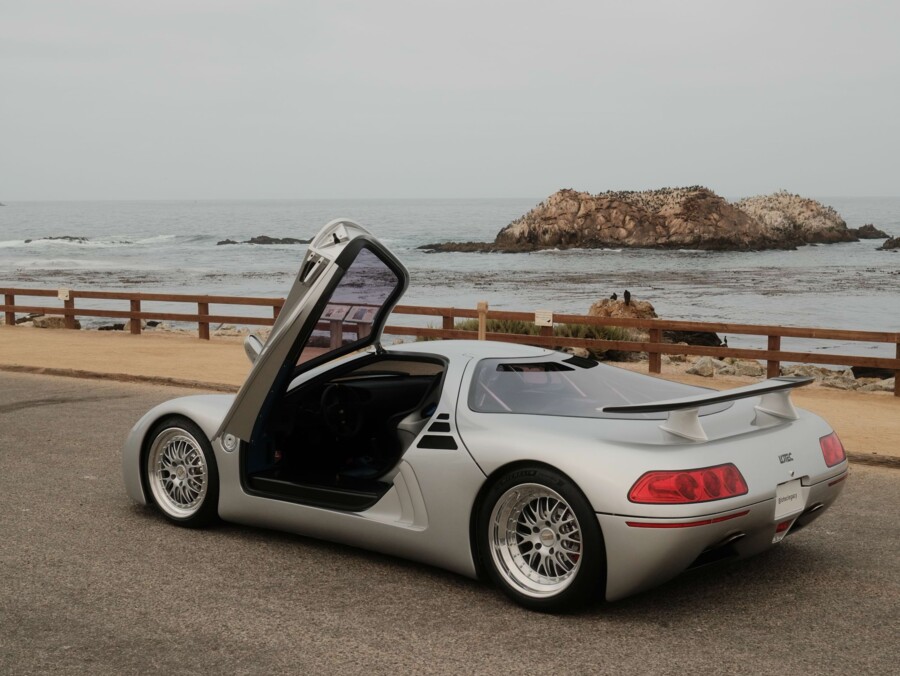
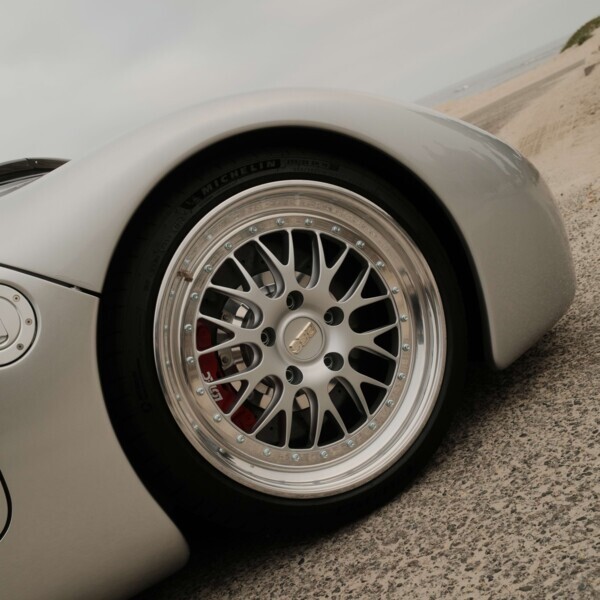
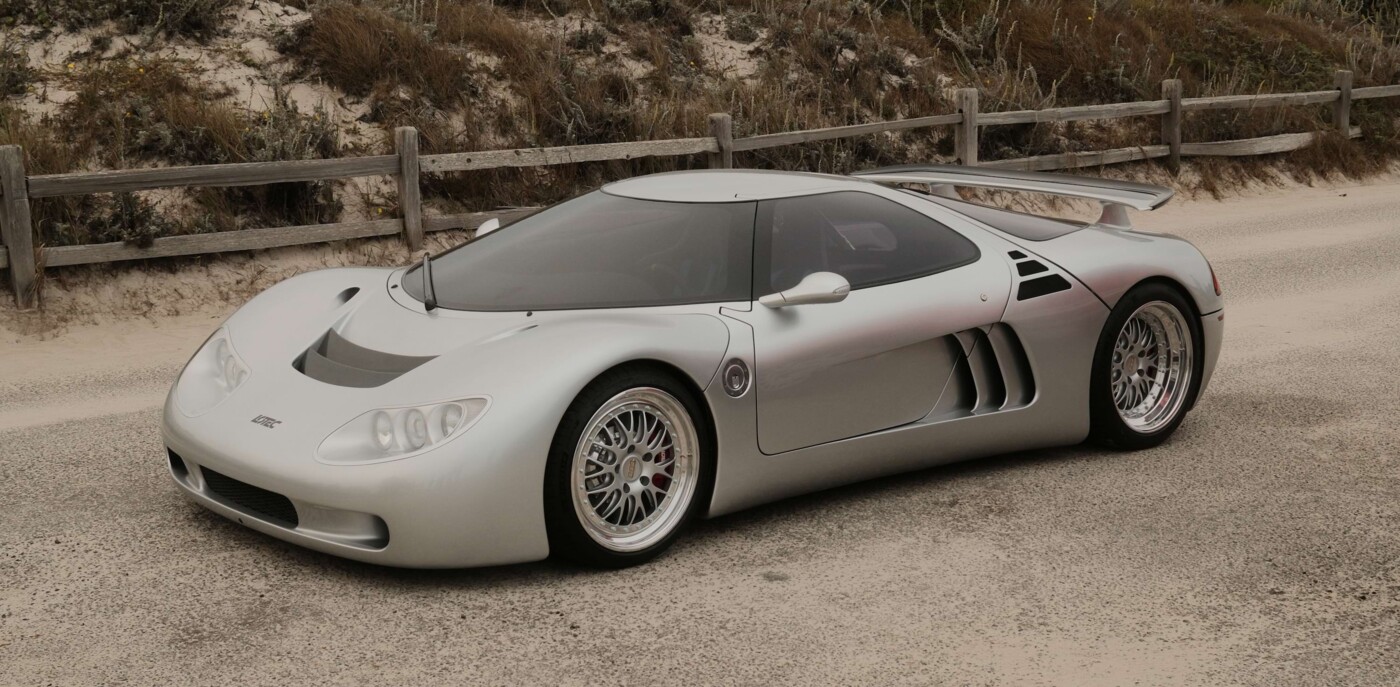
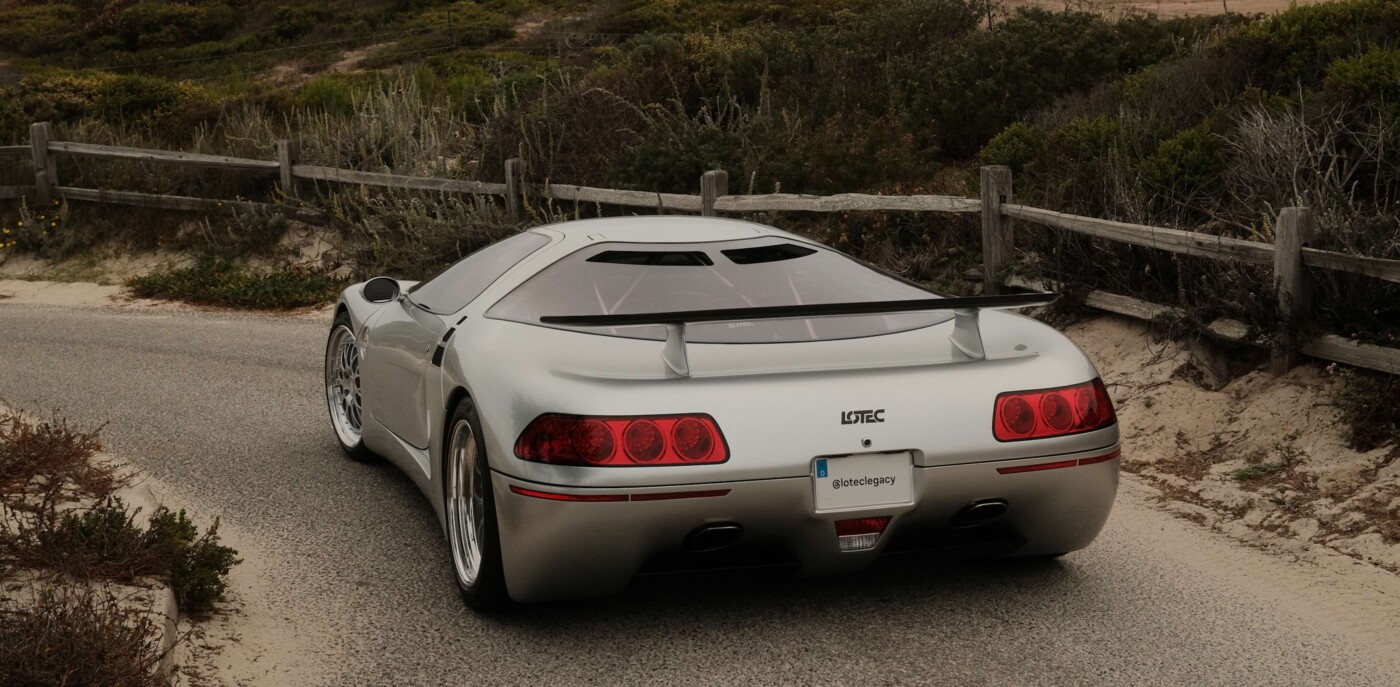
The body was also designed in-house — and carved out as a model in just two days. Mid-engined, the two-seat supercar with gullwing doors uses a carbon fiber monocoque chassis and three-piece forged wheels. The speedometer is calibrated to 400 km/h – while top speed and acceleration figures are theoretical estimates consistent with the stated power-to-weight ratio, there’s no doubt the Sirius is a serious machine.
Built entirely to order, to each (hypothetical) customer's specification, it stands as the most complete expression of Lotterschmid's vision: a car that was entirely his own, from the first sketch to the final bolt. And now, a quarter of a century after its inception, it lives up to its destiny – and takes on the roads of the world as a true Edition One Off.