Future History: Porsche Mission S
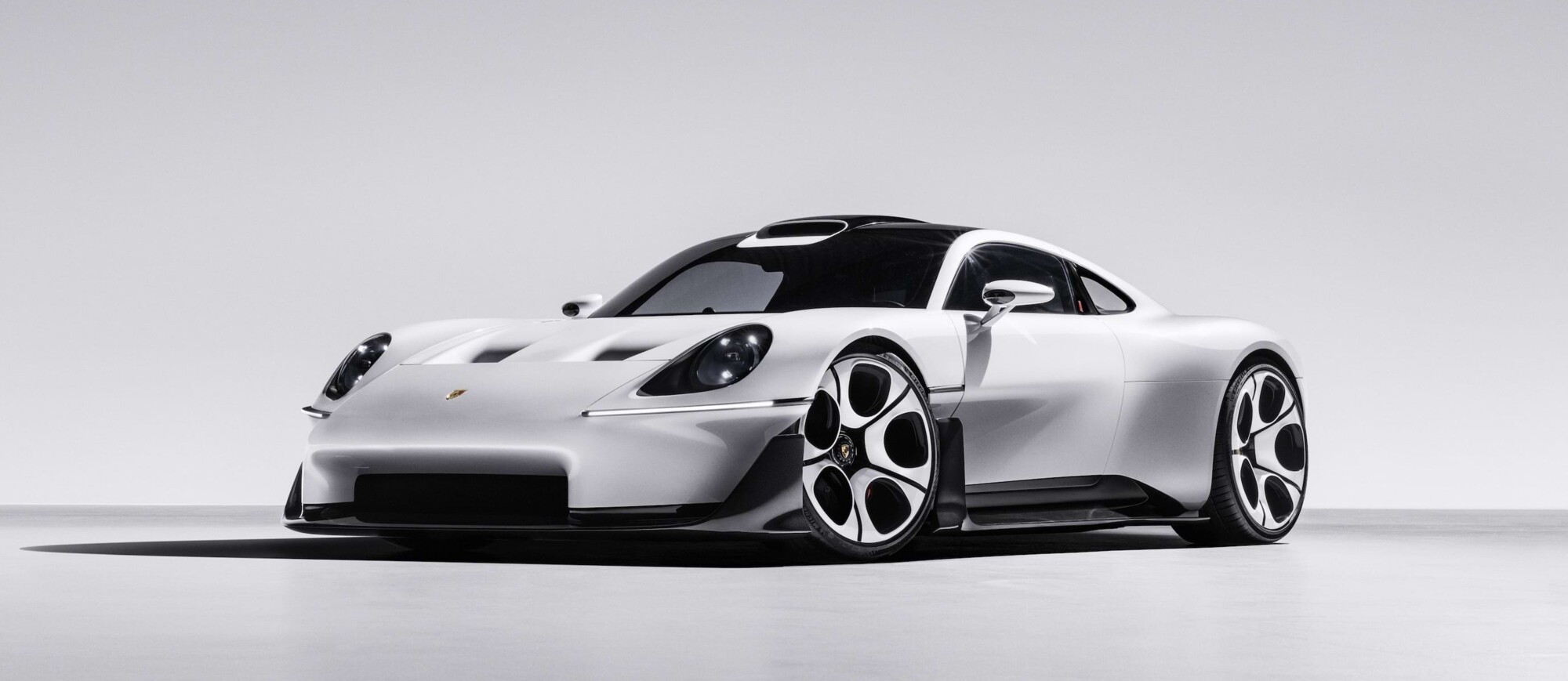
Mid-engined. Driver-centric. Unmistakably Porsche. That’s the all-new Mission S, just unveiled in New York City. Premiering the evolved design language of the legendary brand, it references iconic machines of the past while aiming to become one itself.
The Clean Sheet
Featured Car: Porsche Mission S
Location: Queens, New York, USA
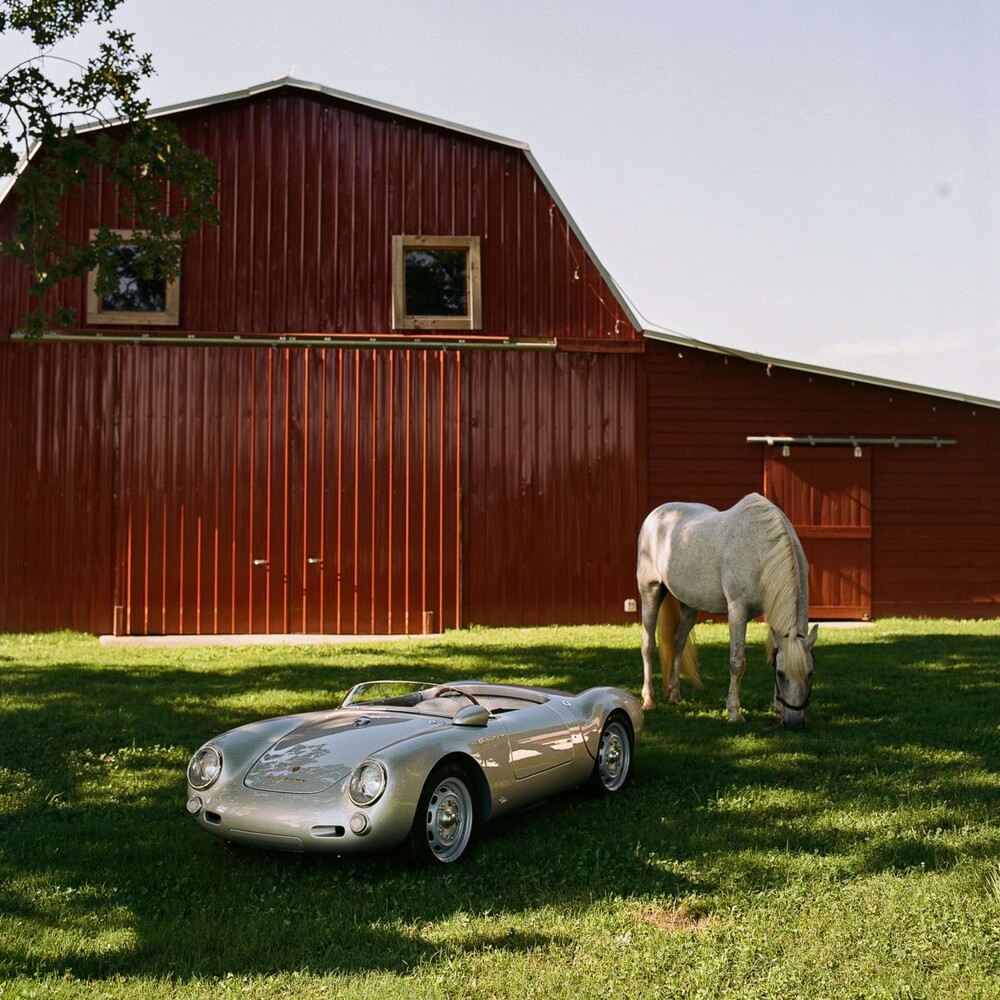
Unveiled at the very Queens pier where the mid-engined 550 Spyder made international waves in 1953, the Mission S bridges historic lineage with modern ambition. But make no mistake: this isn't a limited hypercar for a museum vault. Chairman Dr. Michael Leiters confirmed that the Mission S previews a permanent mid-engined super sports car platform positioned strictly above the 911.
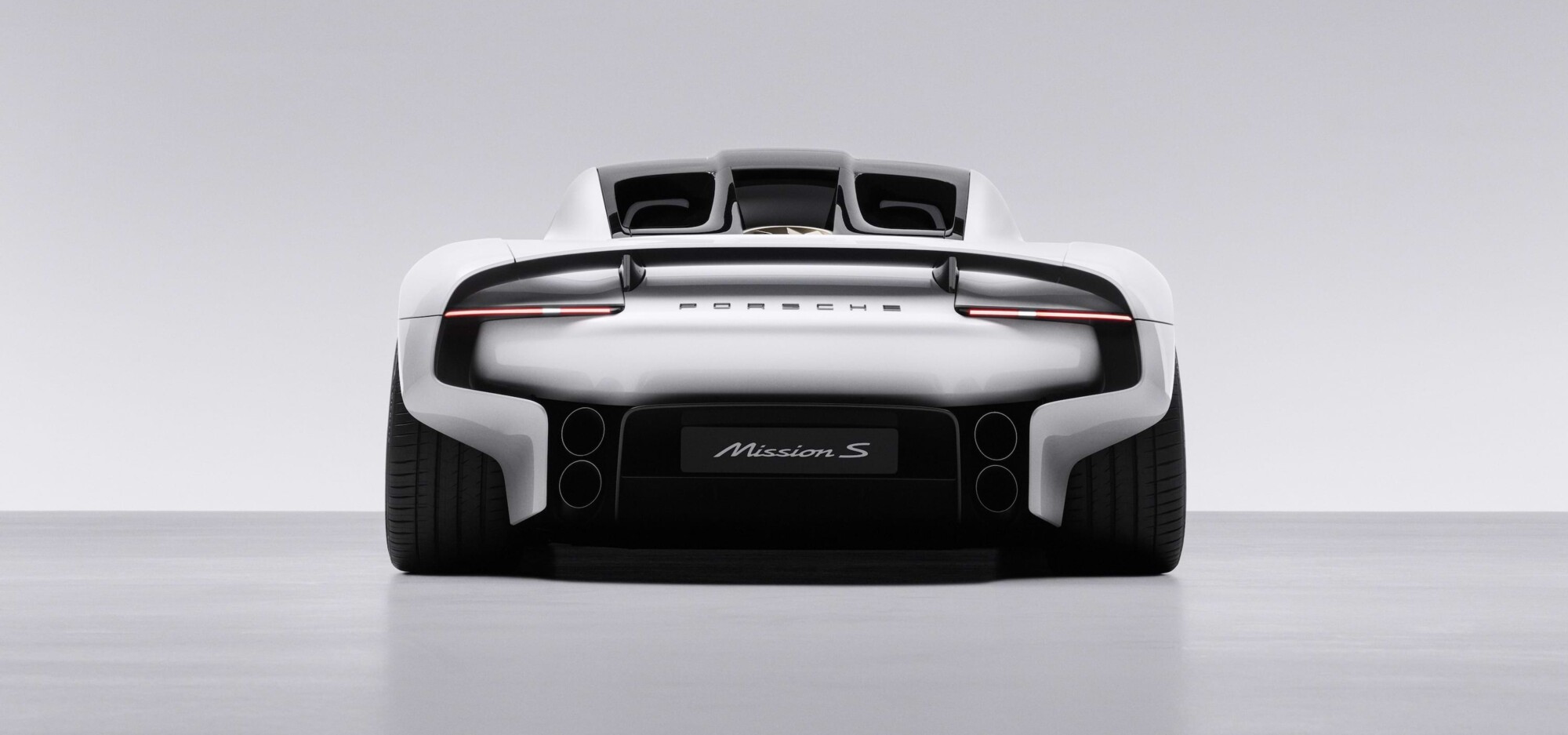
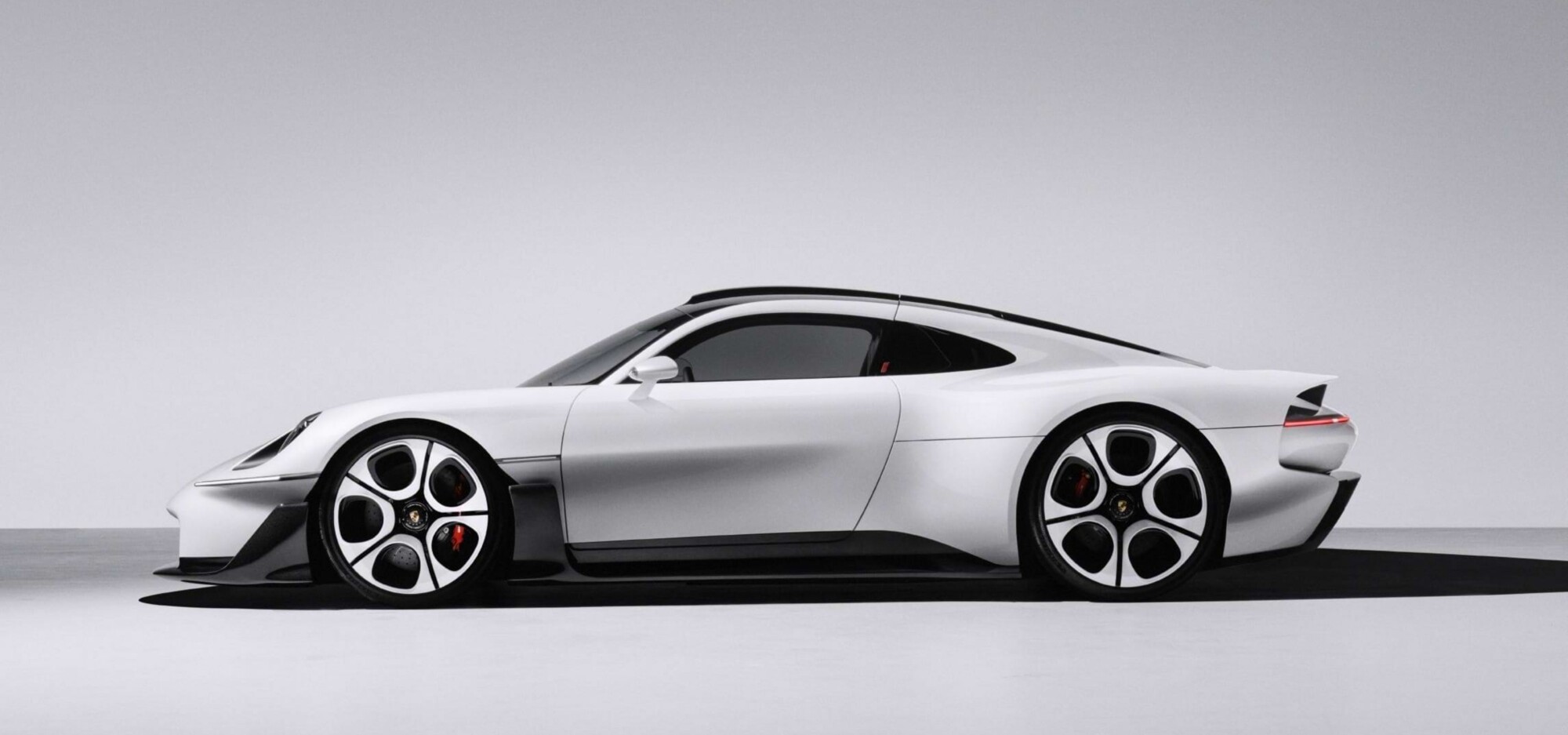
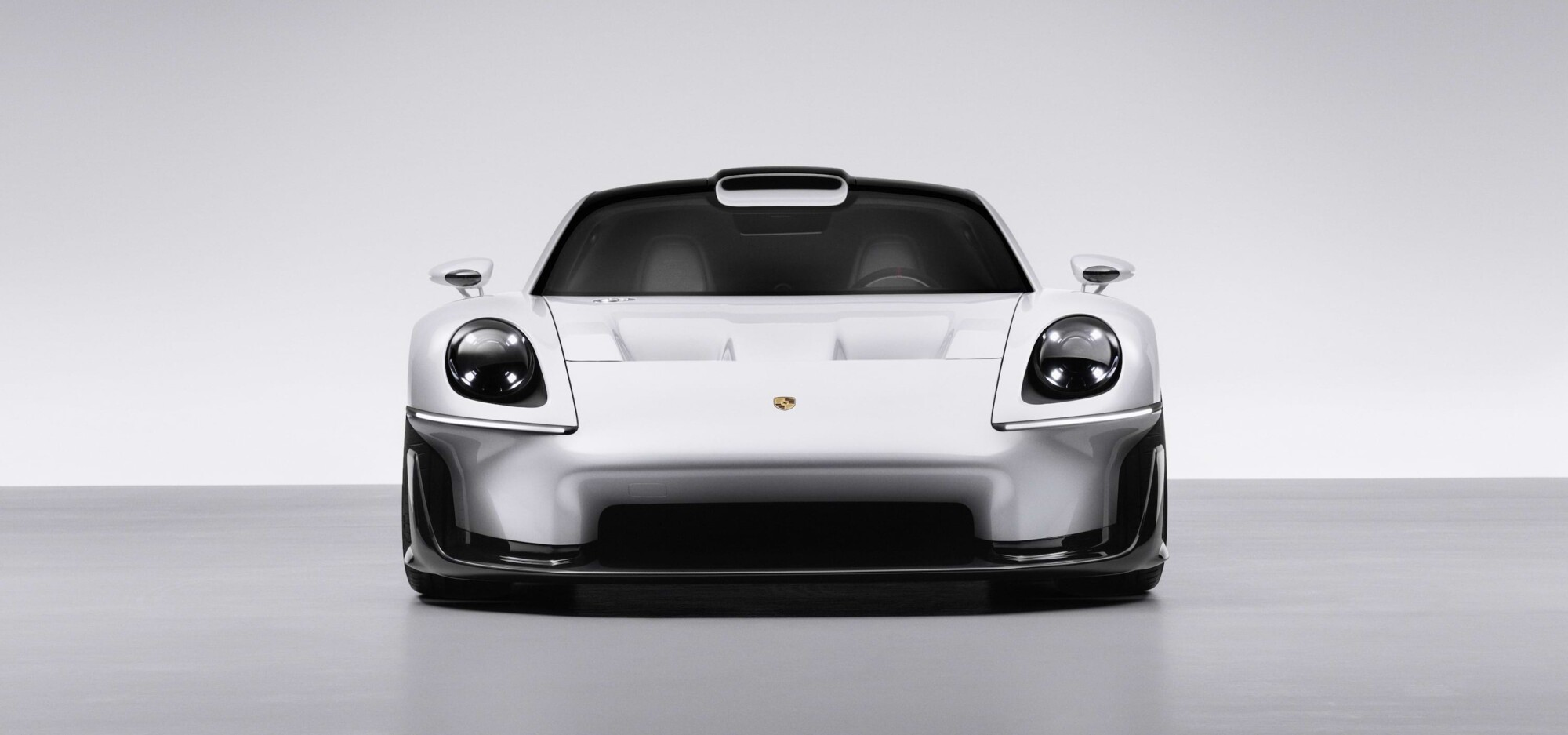
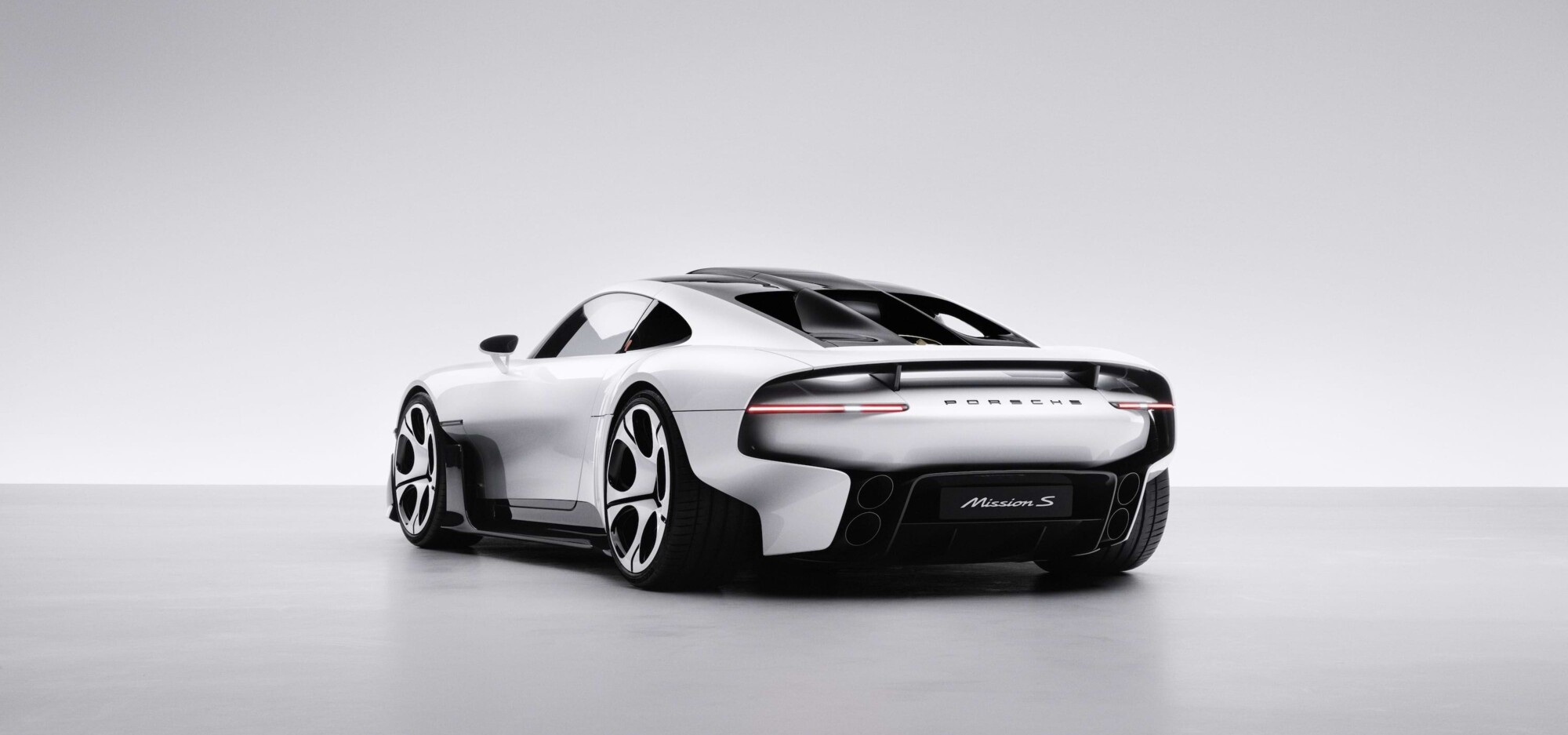
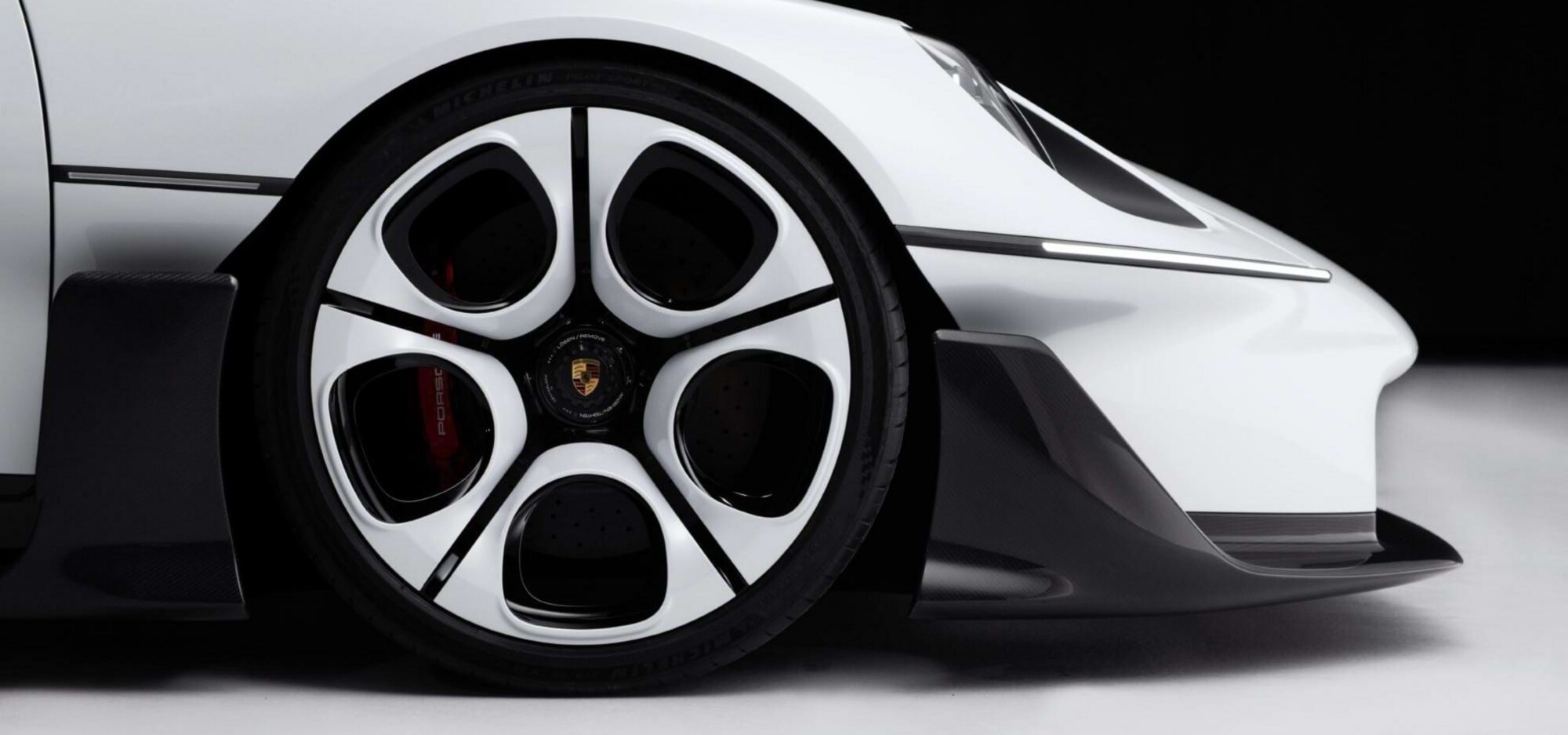
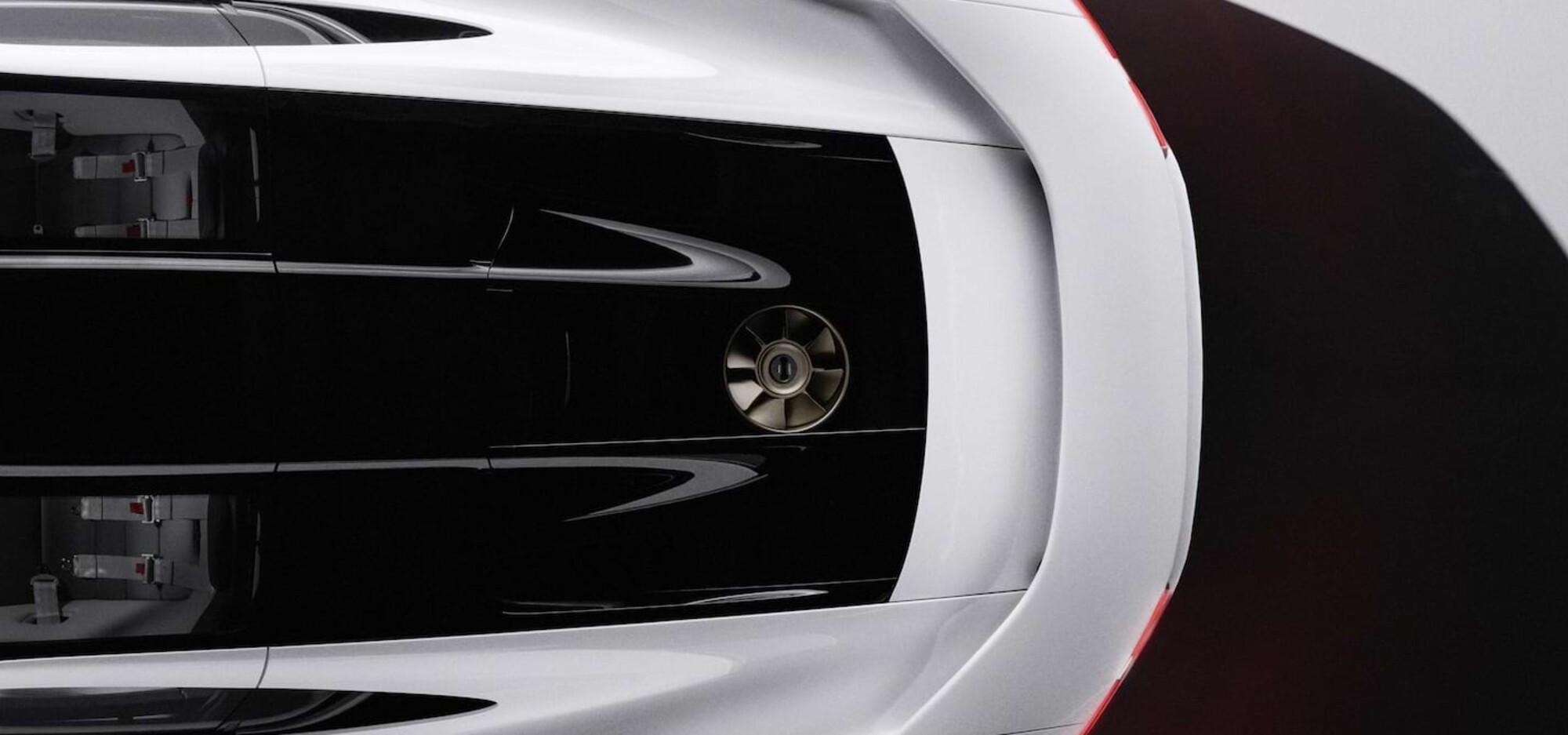
Styled under Vice President Style Porsche Tobias Sühlmann, the exterior blends heritage cues into sculptured "floating volumes". The round headlights and torpedo fenders reference the 911, shut lines pay homage to the G-Series, the low snout nods to the GT1, and the roofline flowing beneath the rear wing borrows heavily from the legendary 959. Look closely at the wheels, and you'll catch a reimagined lightweight take on the iconic 928 "telephone dial" design, alongside a 917-inspired fan cooling element at the rear.
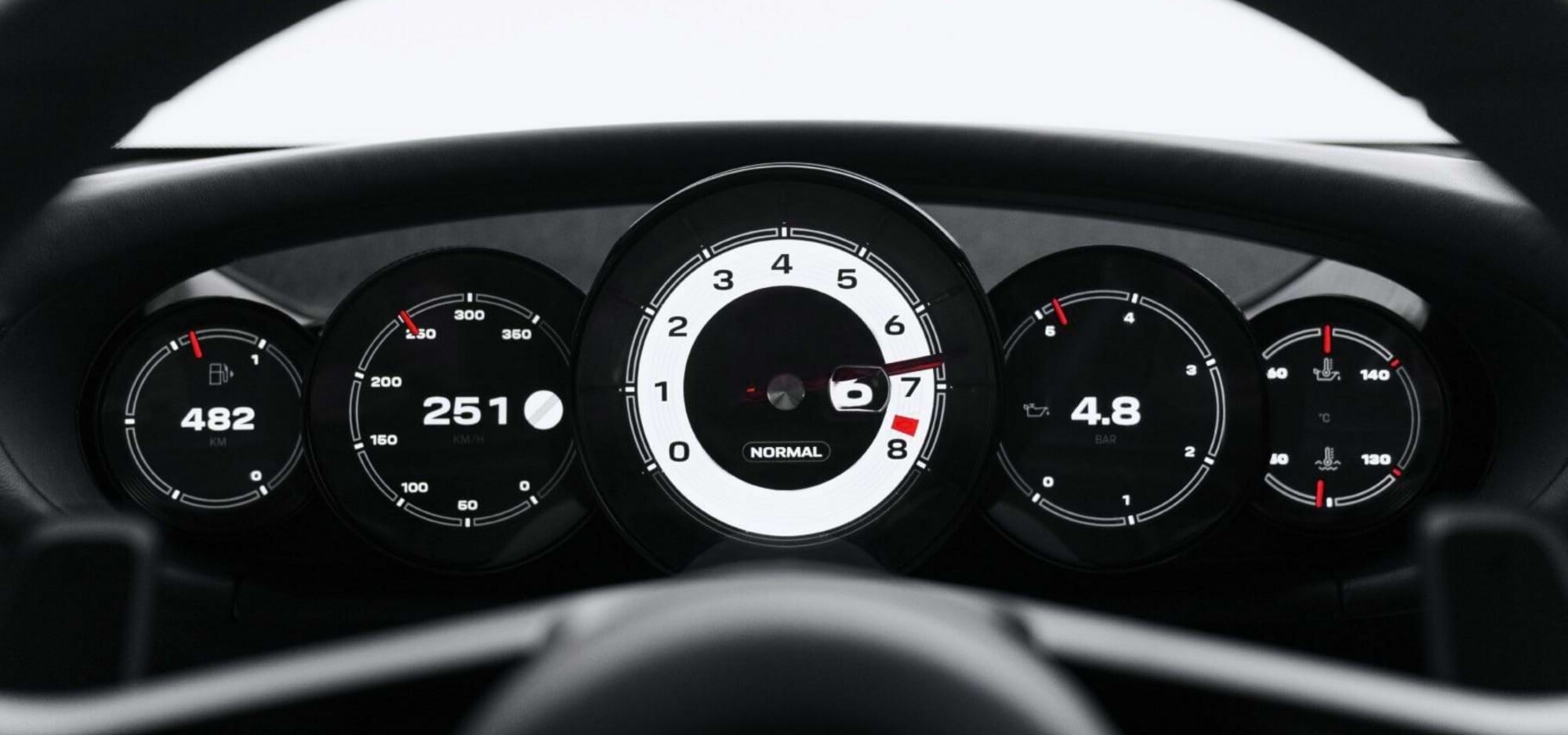
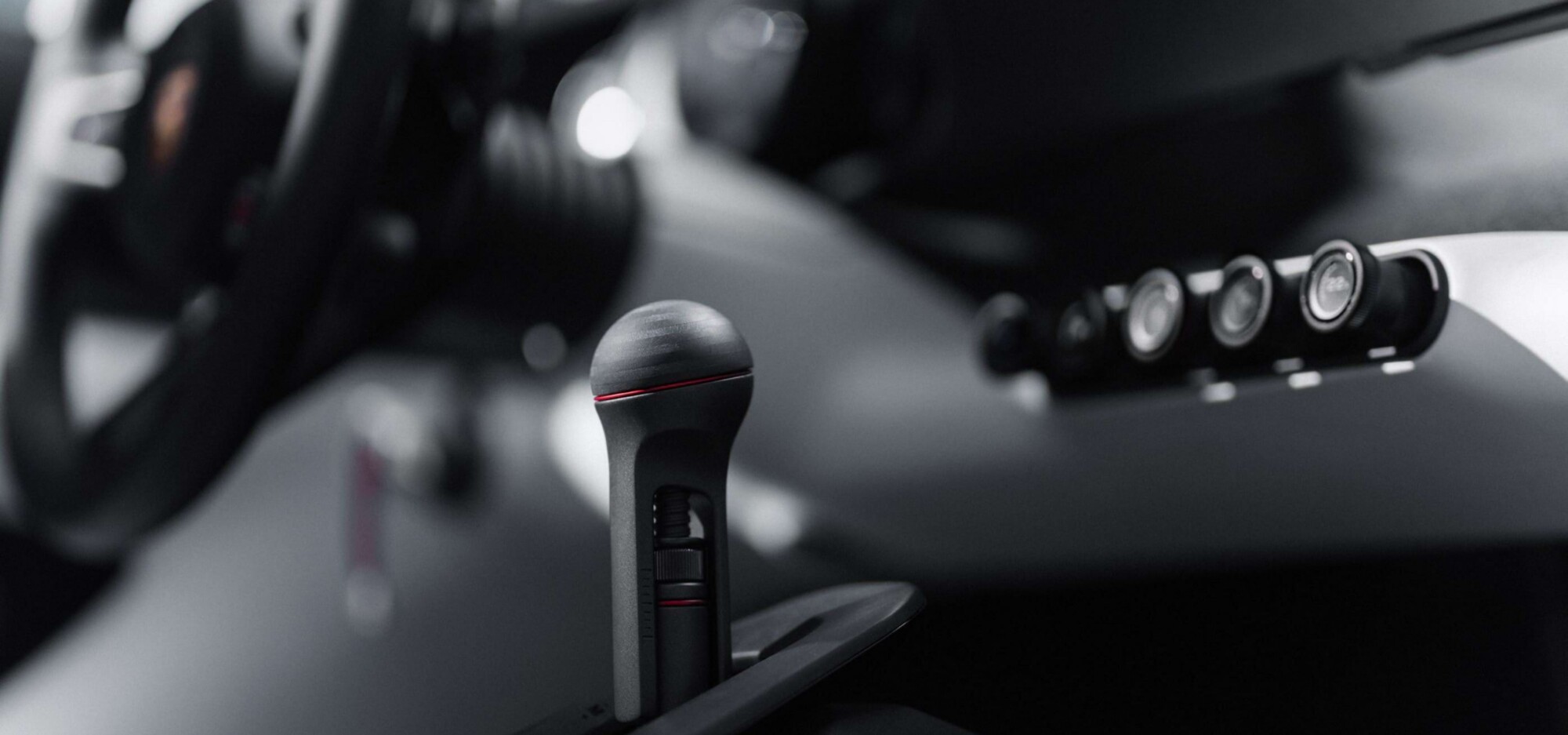
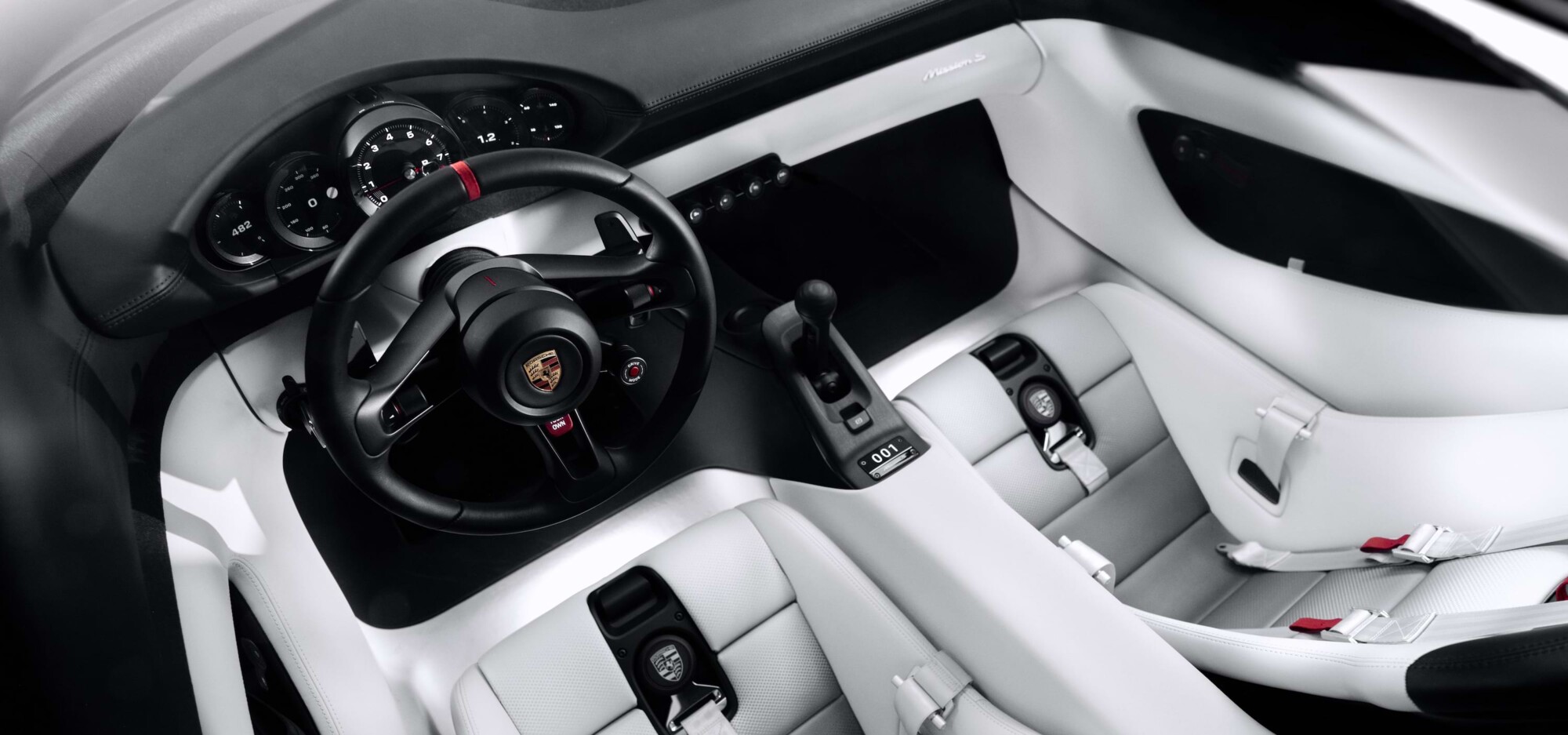
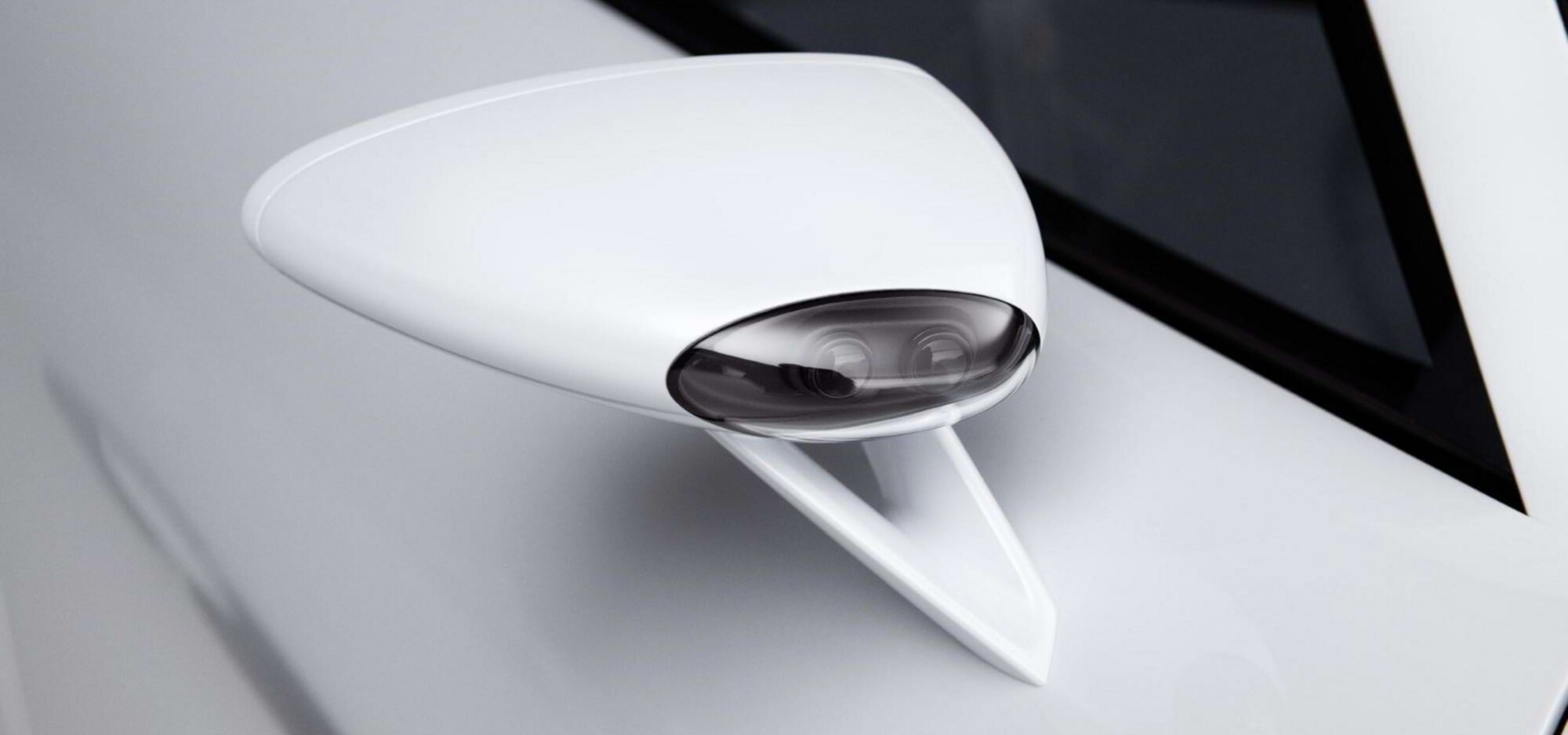
Inside, purism reigns supreme. An analog-meets-digital Driver Experience centers around five classic round instruments—featuring an analog tachometer needle backed by dynamic displays. The traditional key slot – yes, it’s back, just as manual dials – stays strictly to the left of the steering wheel. In a bold move against screen overload, Porsche skipped permanent center displays entirely. Instead, a MagSafe-compatible retractable smartphone system lets your device run navigation via a streamlined My Porsche App—even allowing you to select historical graphic themes for the instrument cluster.
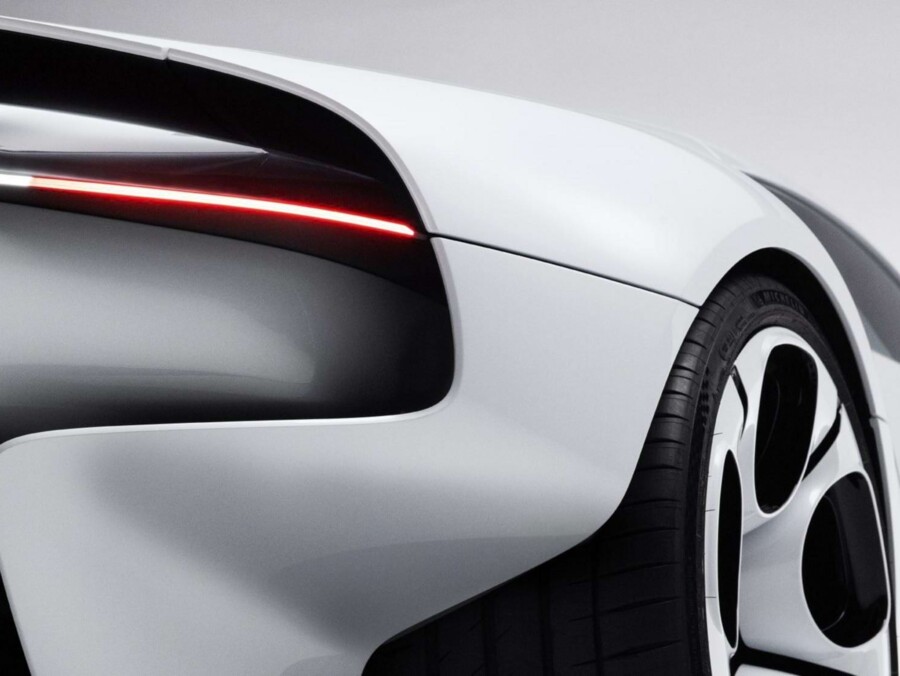
Finished in Firn White Metallic with Light Red accents, Black Chrome, and historic motorsport touches, the Mission S proves that Porsche’s future isn't about replacing emotion with touchscreens—it’s about amplifying the drive.