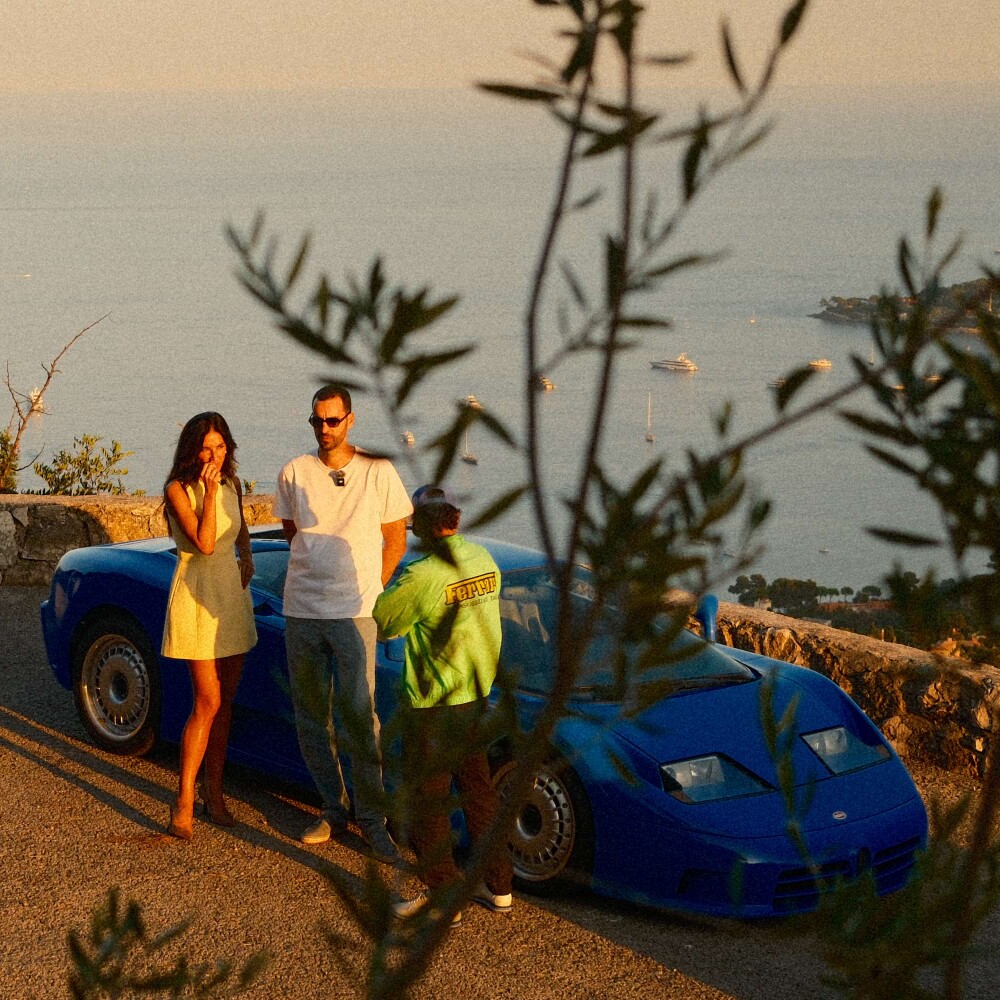
Hollywood meets hillclimb
A substantial part of The Perridon Collection are the historic heroes as the Type 13, the Type 32 »Tank«, and the Type 57 Atlantic. We discover racing royalty and Hollywood legacy.
Classic and classy
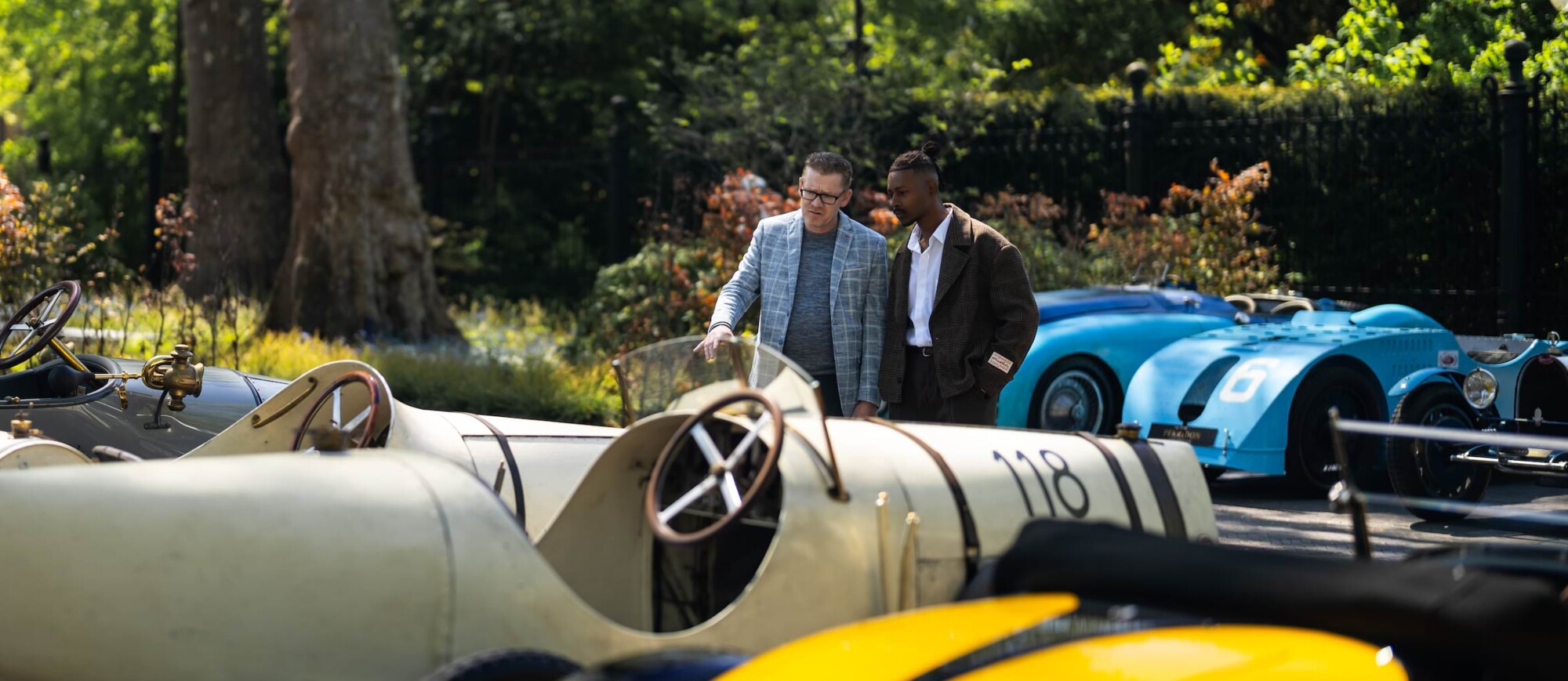
Featured Cars: Bugatti Type 30, Type 32, Type 35C, Type 57G, Type 55 Jean Bugatti Roadster, Type 57, Type 57 Atalante Fastback
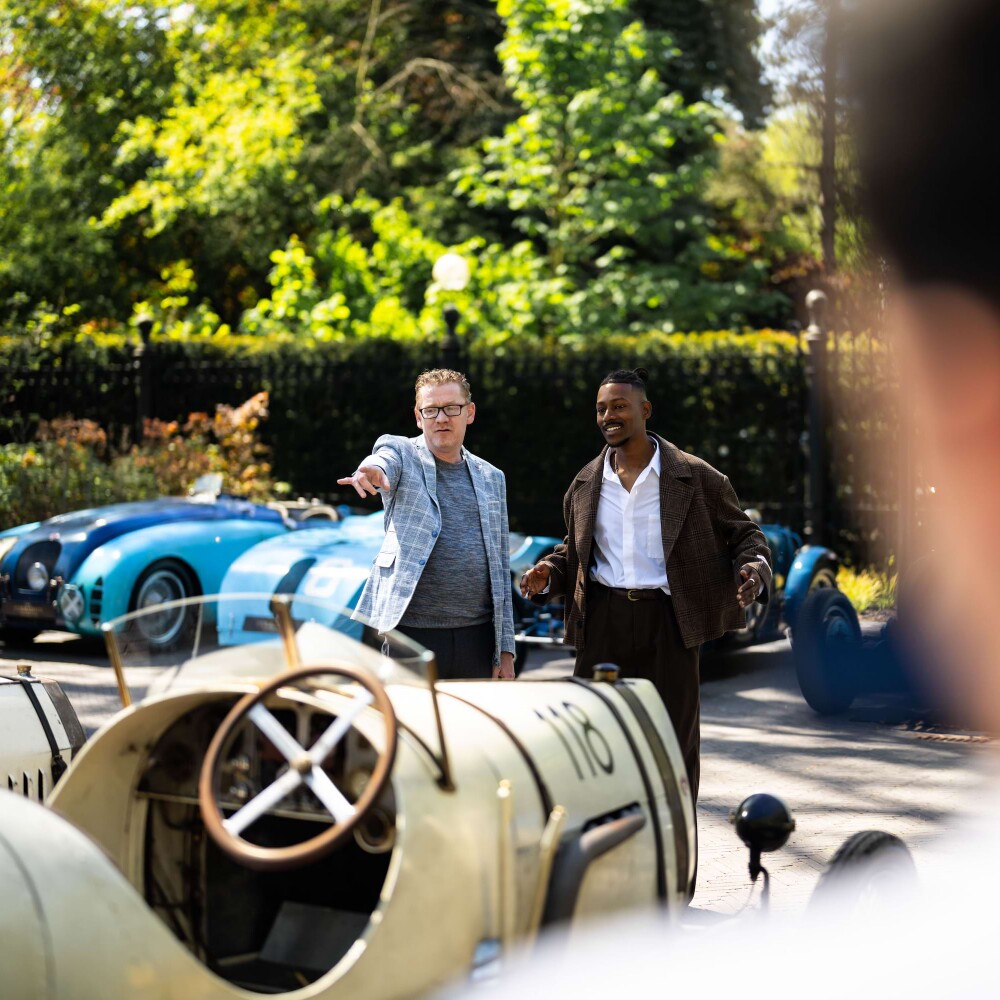
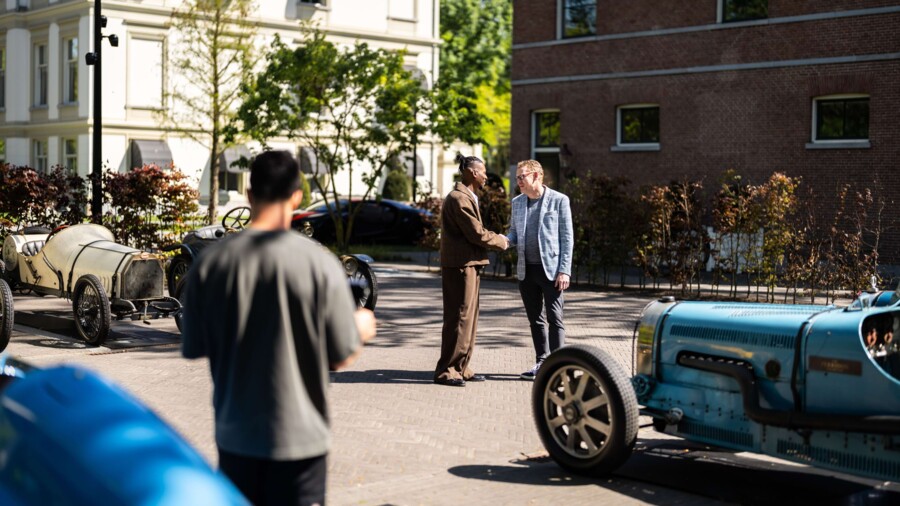
Looking at the 28 classic cars, ranging from 1912 to 1947, you can immediately tell that Bugatti blue is a signature. Do you know where the color comes from?
It came from Ettore Bugatti's wife, Barbara Bugatti. She smoked Gou, and it is a unique car that we also drove on the ice in St. Moritz. It uses an eight-cylinder twin engine. Jean Bugatti designed the aerodynamics to create as little resistance as possible.
The Type 32 and 57G tank cars had aerodynamic issues and weren't very successful in racing, correct?
Yes, the problem was that they were too low. When the wind got underneath, it literally created lift, which is the opposite of what you want on a race car.
What about this Type 35C?
That is the most successful model, securing 501 victories. This specific hill-climb version features a double inline-eight engine with a compressor. It is highly specialized because you have to synchronize the blocks to ensure both turn at the exact same speed.
If the 300+ is the quickest, this Type 30, chassis number 442, must be the slowest.
Absolutely. It is the fourth oldest Bugatti ever built and tops out at 40 kilometers an hour. It features an old square radiator instead of the typical horseshoe, a design brought over from Ettore Bugatti's previous employer in Rome. I even have a picture of Ettore's youngest son, Roland Bugatti, sitting in this specific car.
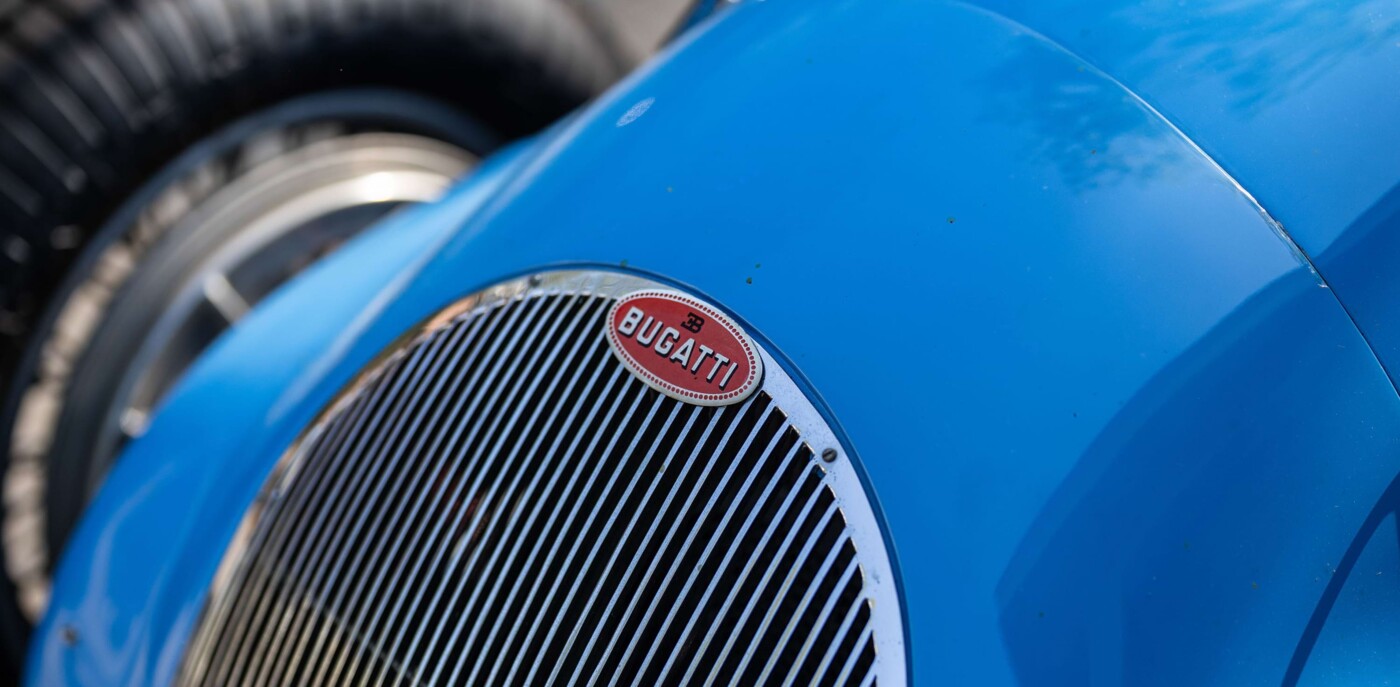
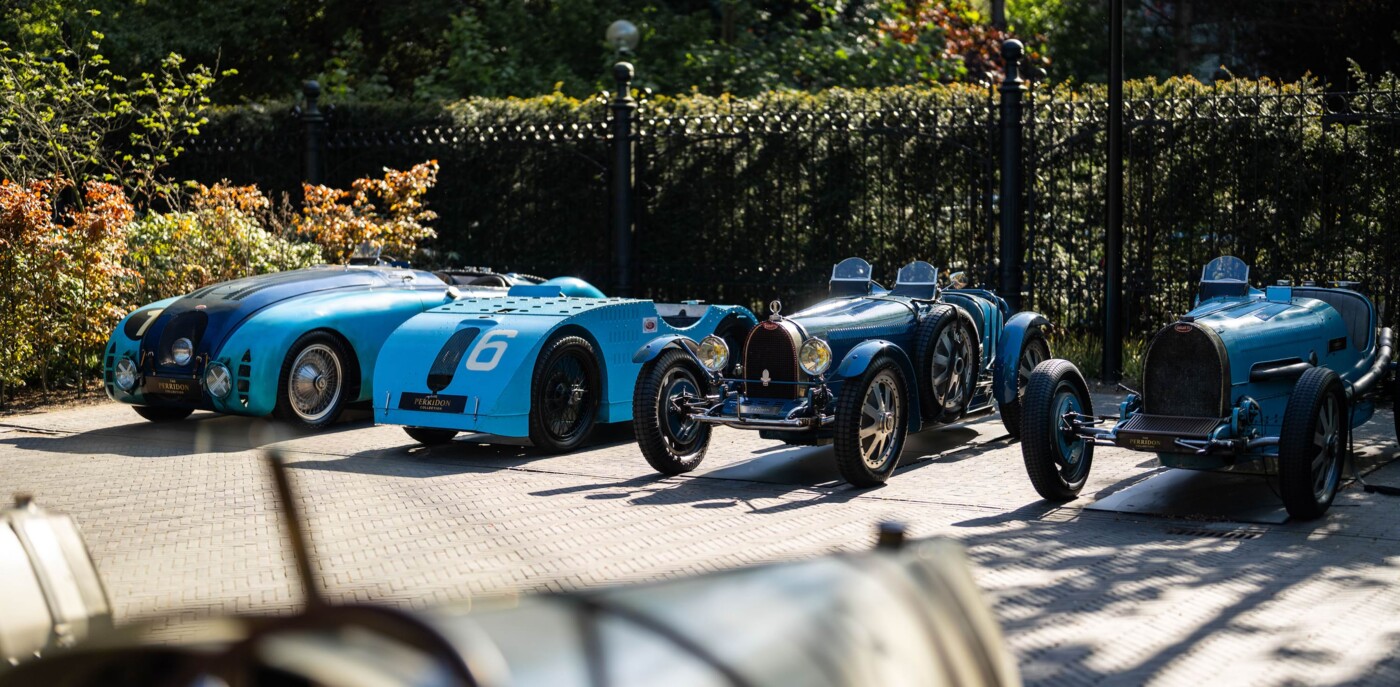
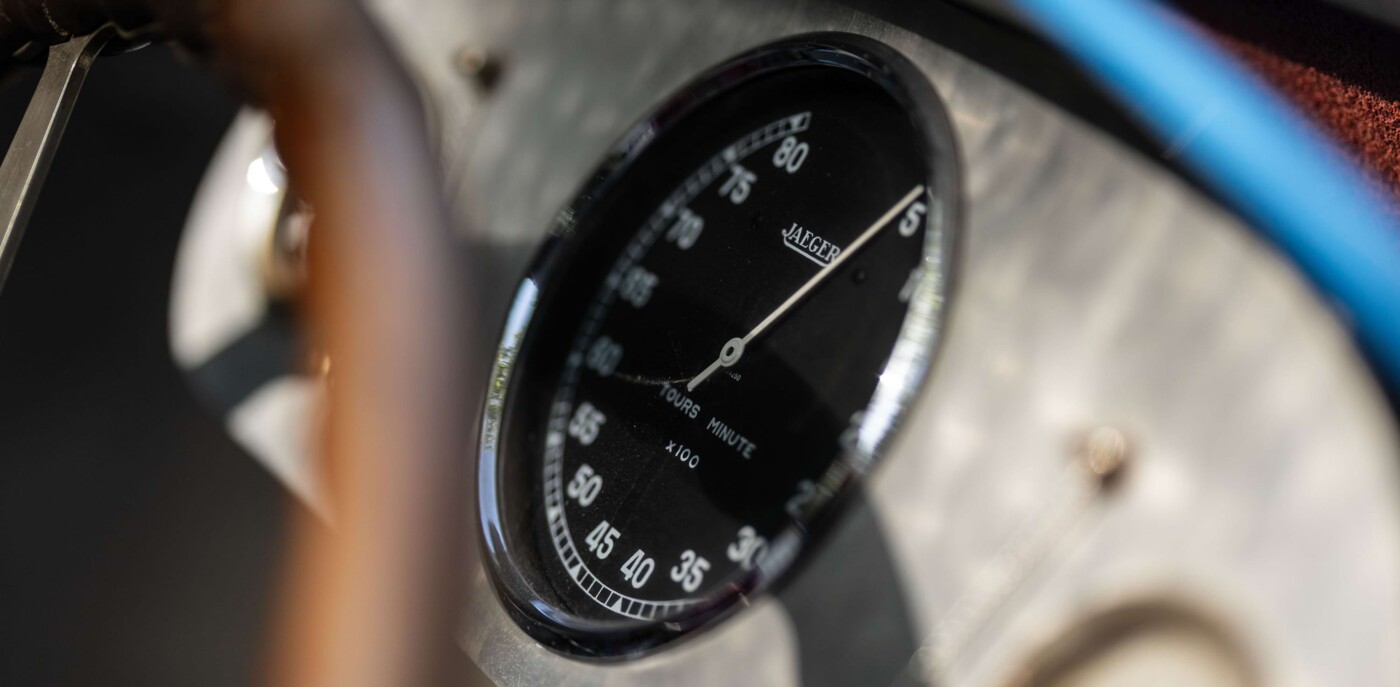
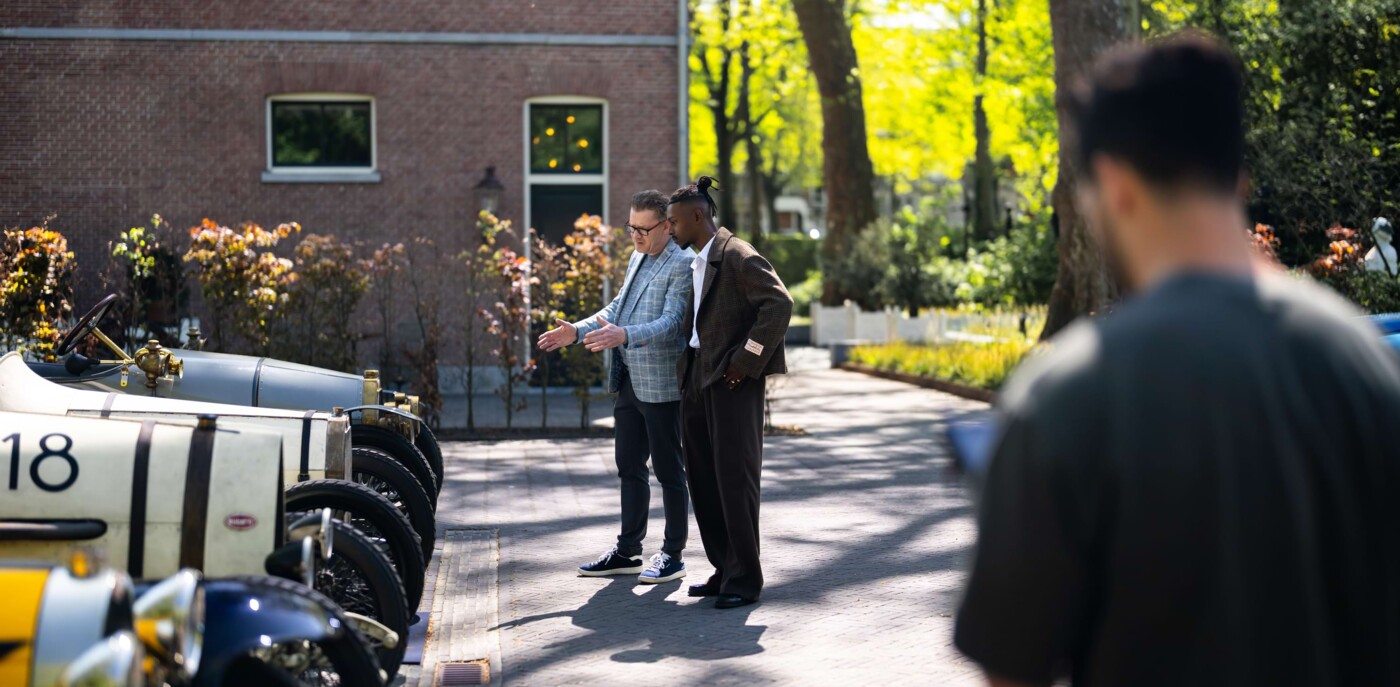
This Type 35C is the most successful model, securing 501 victories. This specific hill-climb version features a double inline-eight engine with a compressor.
This next one, the Type 55 Jean Bugatti Roadster, is considered the holy grail of old Bugattis.
This is the car that made Jean Bugatti famous. Ettore Bugatti was a pragmatist focused purely on functionality, but Jean introduced aesthetics and aerodynamics to the company, giving it these beautiful lines.
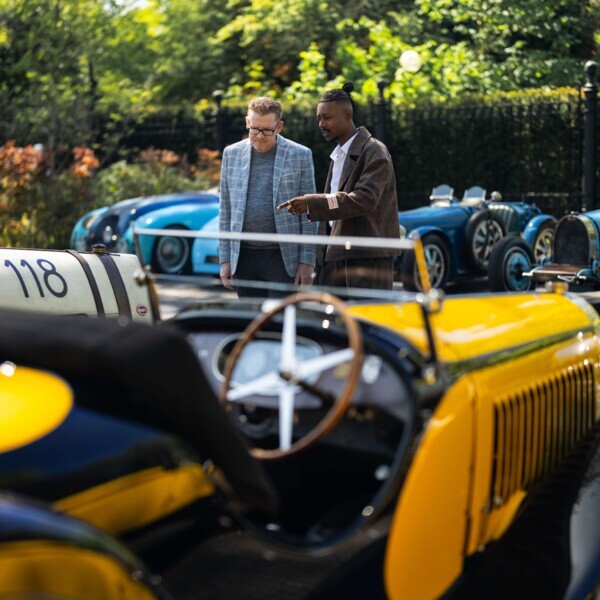
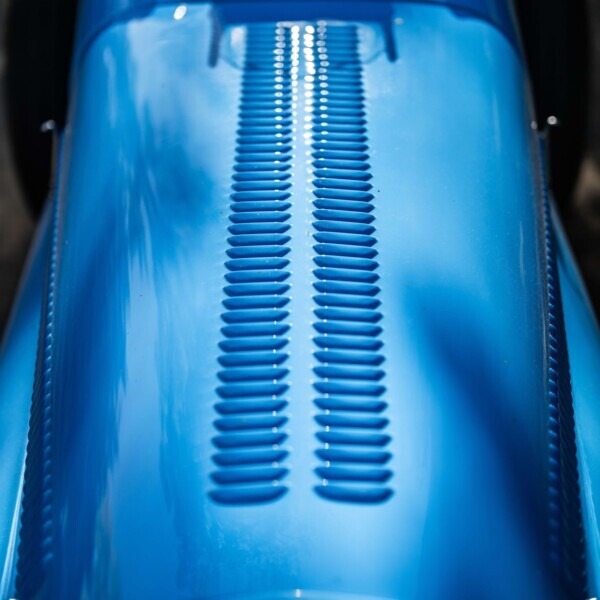
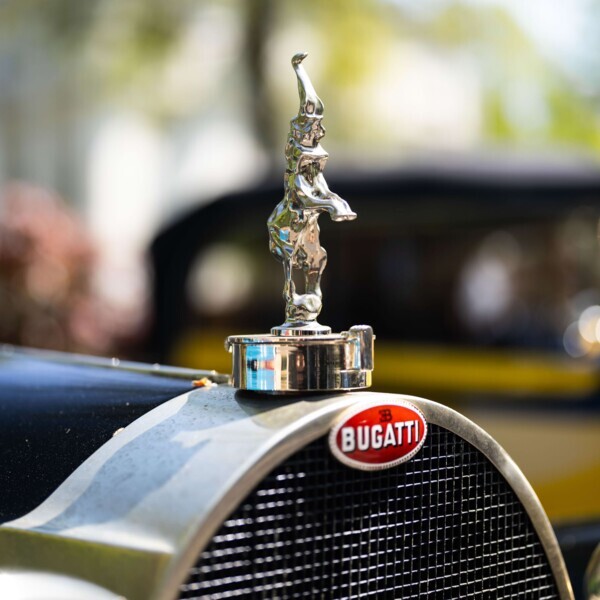
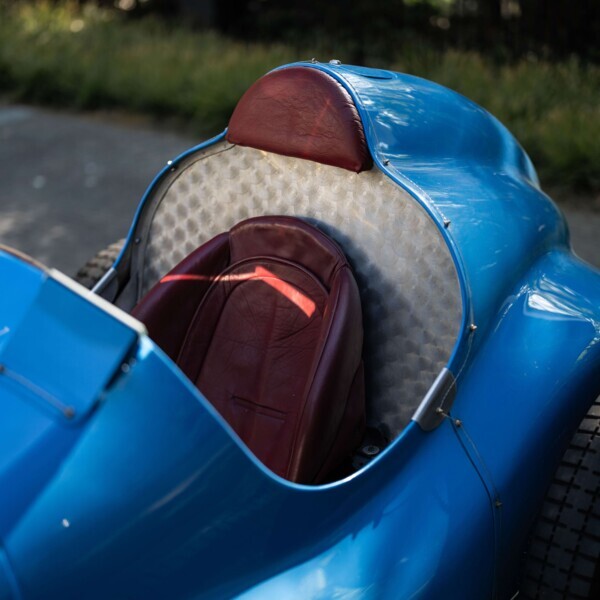
This other Type 30, personally owned by David Schuyl, looks very unique, almost like a riverboat.
In his early days, Bugatti experimented with early aerodynamics by using a lot of boat and canoe tails. The combination of the boat tail design with wood is very unique.
It also features a temperature gauge on top of the radiator as a hood ornament.
Yes, that allows the driver to monitor the radiator from the seat to see if it is boiling. It reads "freezing cool" in white, "normal" in green, and "boiling" in red. On warm days, you want to keep a close eye on that extra heat.
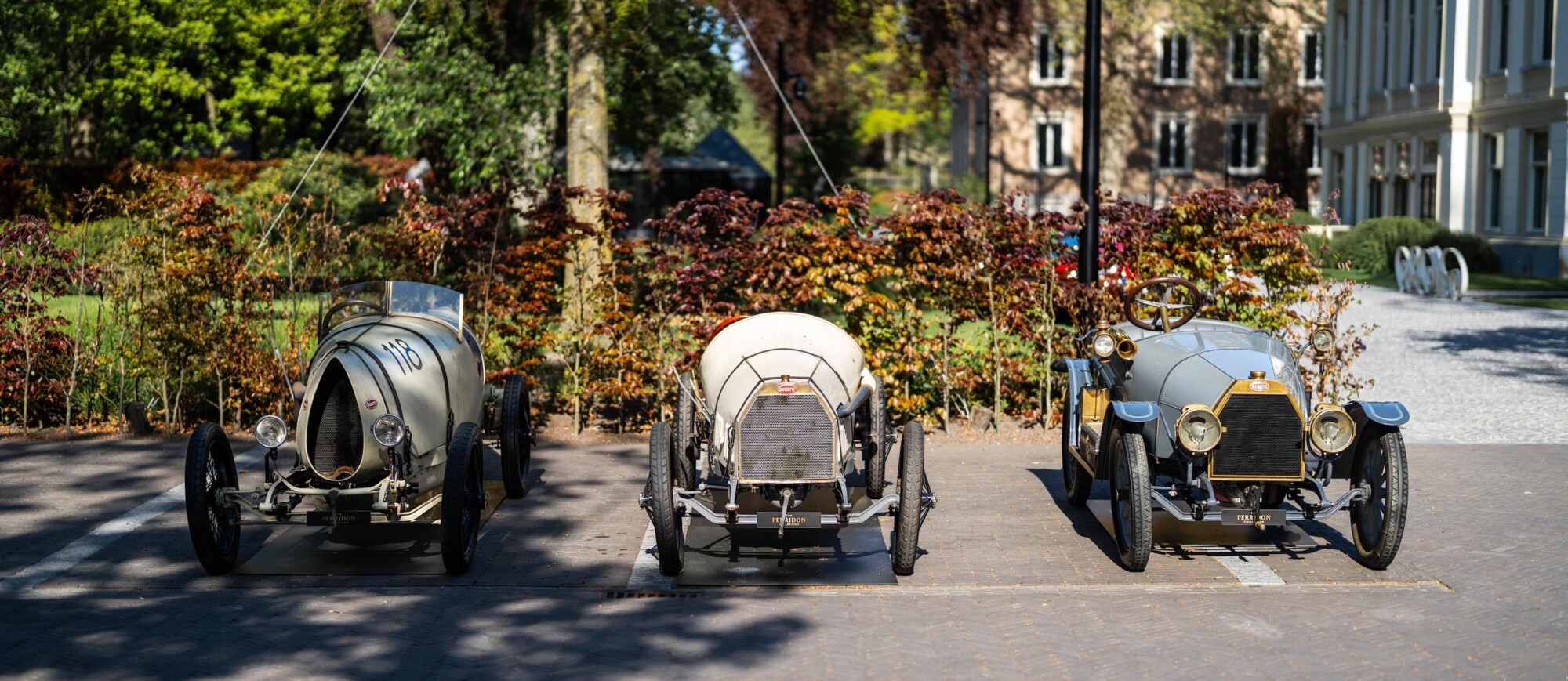
The Type 55 Jean Bugatti Roadster is the car that made Jean Bugatti famous. Ettore Bugatti was a pragmatist focused purely on functionality, but Jean introduced aesthetics and aerodynamics to the company, giving it these beautiful lines.
Finally, we have these three Type 57s, including this special Type 57 Atalante Fastback with a mustache bumper that was brought over from Australia.
The regular Atlantic is not a fastback. A fastback means the roofline goes down to the bumper in one smooth line. Checking the registration papers, this car was previously owned by the famous Hollywood actor Nicolas Cage.
Sjoerd, thank you for giving us the opportunity to see the biggest private Bugatti collection in the world, and a big thanks to Mr. Perridon for letting us reveal it.
- PhotographyRico Mols